WORKSHOP & FACILITATION RESOURCES
Workshop & Facilitation Resources · 14–17 min read · Updated September 2026
Strengths awareness is not the outcome. Strengths application is the outcome.
CliftonStrengths® Workshops: How to Turn Strengths Awareness Into Action
A CliftonStrengths® workshop can create an interesting few hours. People compare themes. They recognise something true about themselves in their report. They discover why a colleague approaches the same problem completely differently. There's often a real moment of surprise, sometimes relief, in the room.
Then everyone goes back to work.
That moment, what happens after the room empties, is what actually determines whether the workshop mattered.
In short
A CliftonStrengths® workshop succeeds when it changes what people do afterwards, not simply when participants understand their report or enjoy the session. This guide covers what to clarify before the workshop, how to structure the session itself, which activities actually change the conversation rather than just filling time, the facilitator's real job, and, most importantly, what needs to happen once everyone's back at their desks.
In this article
- What is a CliftonStrengths® workshop?
- What should a strengths workshop achieve?
- Before the workshop: start with the problem, not the assessment
- What participants should do before the workshop
- How to structure a CliftonStrengths® workshop
- The activities that matter are the ones that change the conversation
- A team map is a conversation starter, not a diagnosis
- Don't ignore blind spots
- The facilitator's job is not to explain 34 themes
- What happens after the workshop matters most
- How do you know whether it worked?
- When a single workshop isn't enough
What is a CliftonStrengths® workshop?
CliftonStrengths® (built by Gallup, and formerly known as StrengthsFinder) is an assessment that identifies a person's dominant talent patterns across 34 themes, grouped into four domains: Strategic Thinking, Executing, Influencing and Relationship Building. The assessment itself takes around 30–40 minutes.
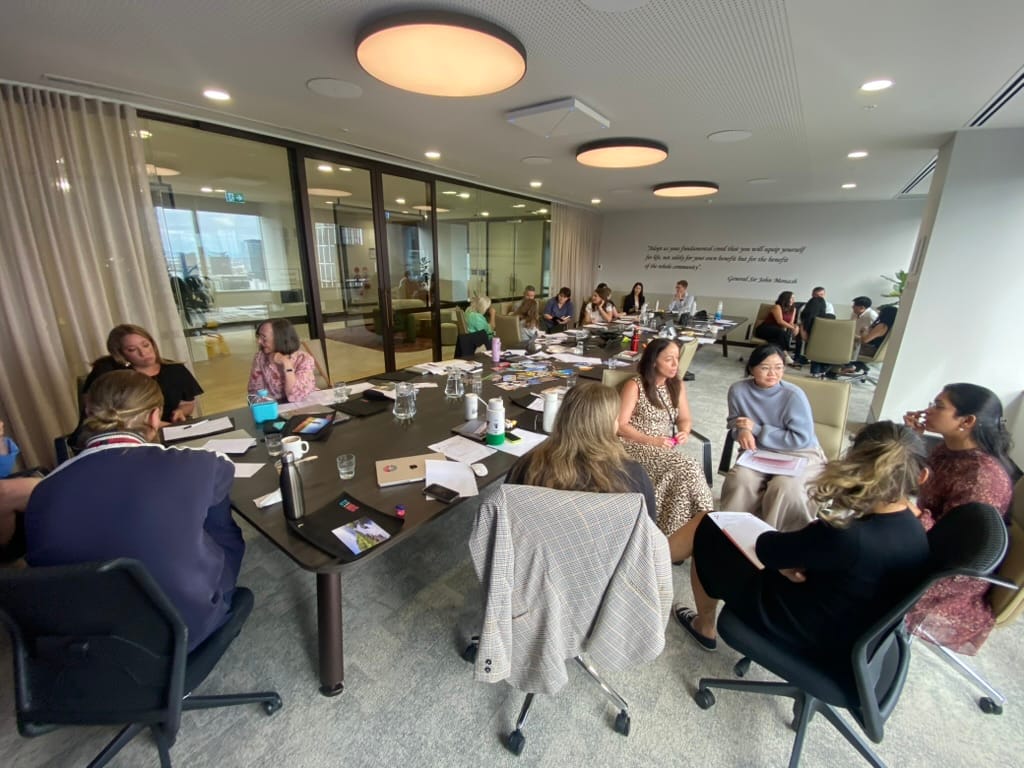
A CliftonStrengths® workshop is the session, individual or team-based, where those results move from a report into a conversation. Participants usually complete the assessment beforehand, then use the workshop time to understand what their themes mean, recognise them in real behaviour, and start discussing how that understanding applies to the work in front of them.
What should a strengths workshop achieve?
It's worth being honest about what a workshop can and can't do on its own. Understanding a report, enjoying the activities, feeling positive by the end, none of that is nothing, but none of it is the point either.
A workshop worth running should help people move through five things: understanding what their results actually mean, recognising how those talents show up in real behaviour, appreciating why a colleague might approach the same situation differently, applying the insight to actual work, and continuing to use that shared language once the session is over. The first three happen in the room. The last two determine whether the first three were worth the time.
Before the workshop: start with the problem, not the assessment
A CliftonStrengths® workshop shouldn't exist simply because everyone happened to complete an assessment. Before booking a session, it's worth asking plainly why the organisation is running it. Is it about communication? Collaboration that's currently breaking down somewhere specific? A leadership team that doesn't yet have a shared way of talking about how they each operate? Role clarity on a team that's grown too fast to still function the way it used to?
None of those are wrong reasons. But naming the actual reason changes what the workshop needs to do, and it's the difference between a session people found "fun" and one that solved something real.
Try this today: If you're planning a workshop, write one sentence before you design a single activity: "After this workshop, what do we want people to do differently?" If you can't answer it, you're not ready to build the agenda yet.
What participants should do before the workshop
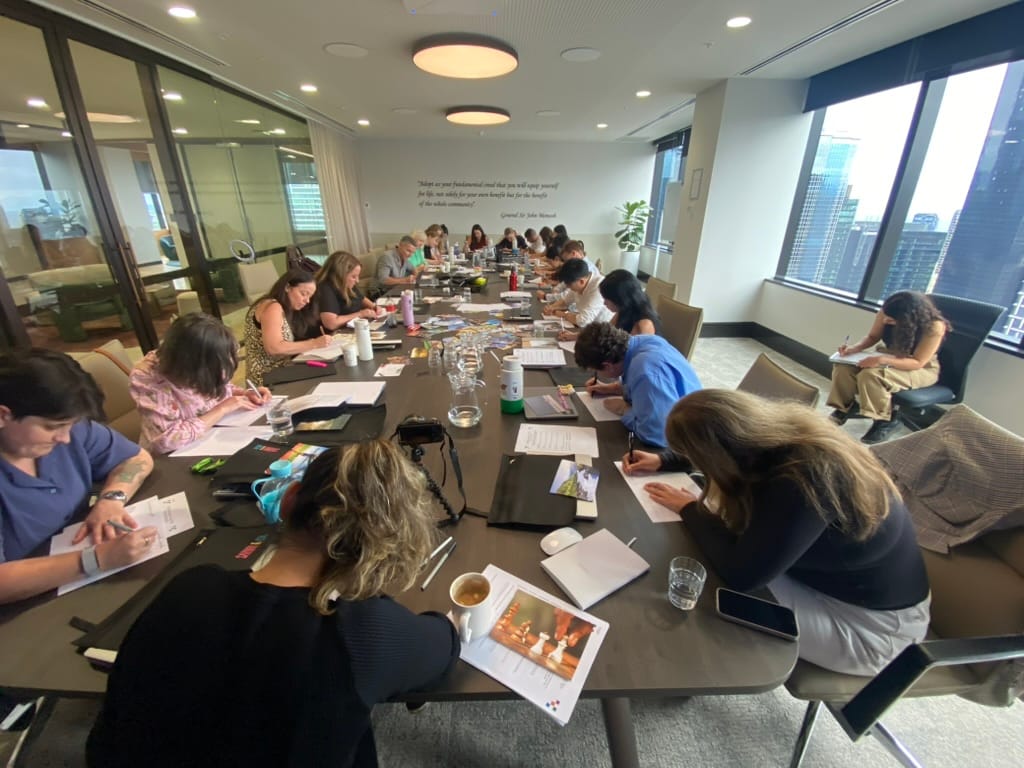
Have everyone complete the CliftonStrengths® assessment ahead of time and make sure they can access their full report before the session starts. Set expectations early, so people arrive knowing roughly what the workshop is for and what they'll leave with. Where it's relevant to the objective, ask participants to bring an actual current workplace situation, not a hypothetical one, since real material is what makes the discussion useful rather than theoretical.
As the facilitator, understand who's in the room before you walk in. A team that's never discussed strengths together needs a different starting point from one that's already familiar with the language but has never applied it to real friction.
How to structure a CliftonStrengths® workshop
A useful session tends to move through six stages, each with a distinct purpose rather than just filling a timeslot:
Recognition. Participants see their own results and start identifying where those patterns already show up in their day-to-day work. Understanding. The group moves past the theme names into what each one actually looks like in practice. Behaviour. Discussion shifts from "what is my theme" to "how does this theme show up in what I do." Difference. The team looks at how different people's patterns show up differently in the same situations, and why that's an asset rather than friction. Application. The group works through something real, an actual project or challenge, through the lens of what's just been discussed. Commitment. Each person leaves with one specific behaviour they intend to practise, not a vague intention to "use their strengths more."
The activities that matter are the ones that change the conversation
Not every activity earns its place. The ones worth keeping are the ones that shift how people actually talk to each other afterwards, not just the ones that fill an agenda slot.
Individual strengths reflection. Ask participants to identify a specific, recent example of one of their themes showing up in real behaviour, not just a definition they've memorised.
Strengths partner conversation. In pairs, each person explains how a particular talent tends to show up for them, and what someone else is likely to notice about it from the outside. This surfaces the gap between self-perception and how a strength actually lands on other people.
Team strengths mapping. Map the team's talent patterns together and discuss what the overall distribution suggests, where there's real depth, and where there might be a genuine gap. This is a starting point for conversation, not a verdict on anyone.
Workplace scenario. Take an actual current team challenge and explore how different talent patterns in the room might approach it differently. This is where the workshop stops being about the report and starts being about the work.
Strengths appreciation, done specifically. Rather than generic compliments, use behavioural evidence: "When I saw you do X, it helped the team by Y." Specificity is what makes this land as real recognition instead of a nice gesture.
Application commitment. Close with each person naming one behaviour they'll intentionally practise. This is the bridge into everything that needs to happen next.
Quick recap
A workshop should be designed backwards from a clear reason for running it, built on real workplace material rather than hypotheticals, and structured to move through recognition, understanding, behaviour, difference, application and a specific commitment, in that order.
A team map is a conversation starter, not a diagnosis
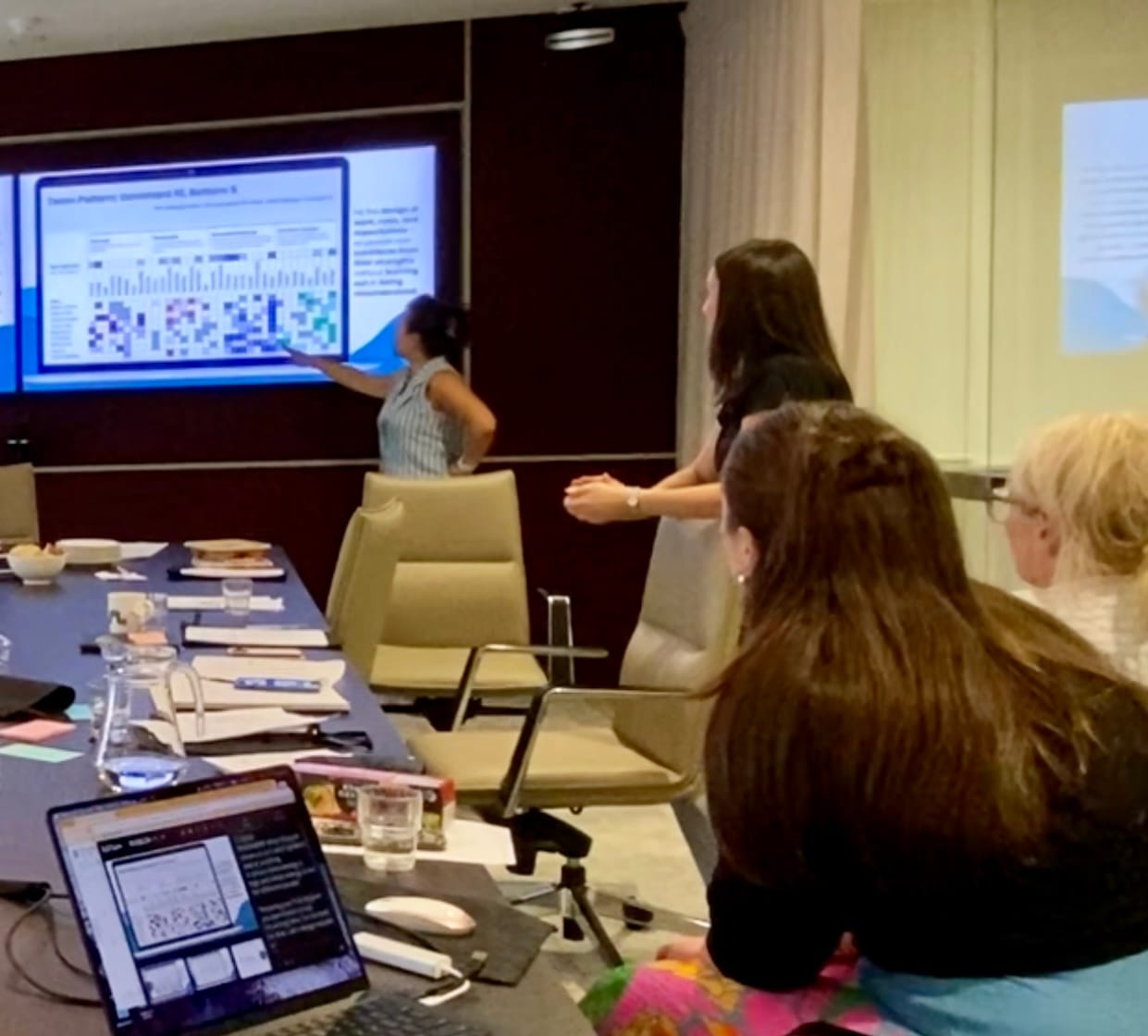
A grid of a team's CliftonStrengths® themes can reveal genuinely useful patterns worth discussing. But it can't tell you everything about behaviour, relationships, performance, conflict or motivation, and it shouldn't be treated as though it can.
The risk with any strengths map is stereotyping: deciding someone will or won't be good at something because of a theme on a page, rather than watching what they actually do. The map is useful precisely because it opens a conversation, not because it settles one.
Don't ignore blind spots
A strengths workshop shouldn't turn into strengths celebration with no behavioural reflection attached. A natural talent isn't automatically a positive contribution in every context, its value depends on how it's expressed, how self-aware the person is about it, and whether it's genuinely fit for the situation at hand.
This isn't about reinterpreting what a theme means, and it's not about treating any theme as inherently a problem. It's about being honest that even a genuine strength, overused or misapplied, can create friction, and that's worth naming in the room rather than avoiding.
The facilitator's job is not to explain 34 themes
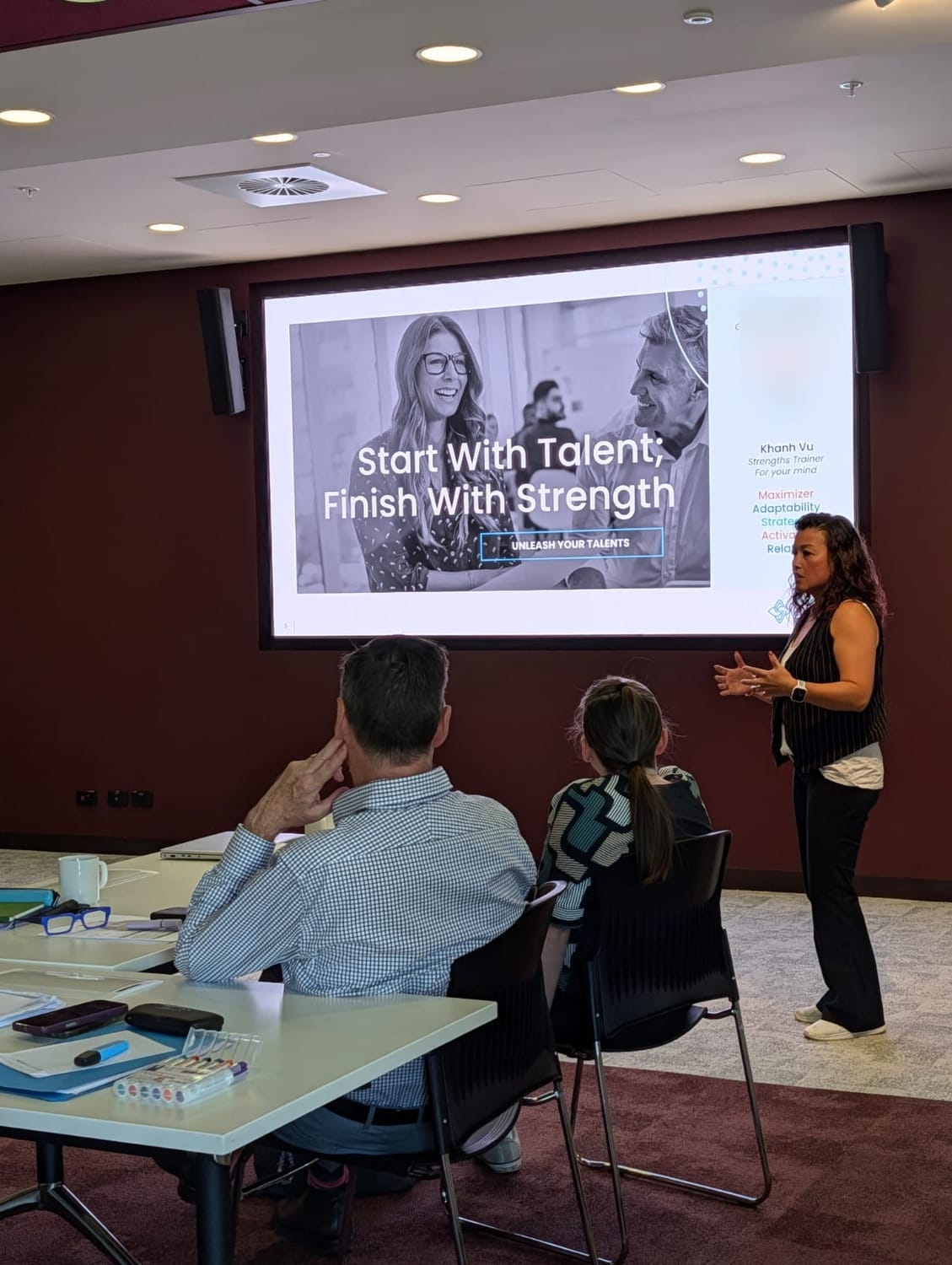
The facilitator's actual job isn't running through a glossary. It's helping people recognise themselves, understand where they differ from each other, examine real behaviour, connect the insight back to actual work, have conversations that wouldn't otherwise happen, and leave with something concrete to practise.
Good facilitation leans on storytelling to make the content land, genuine listening rather than moving through a script, and the willingness to adapt the session's flow based on where the group's energy actually is, not where the agenda says it should be.
What happens after the workshop matters most
This is the section that separates a workshop that mattered from one that was simply enjoyable. The strengths conversation needs somewhere to live after the session ends, or it fades within a fortnight.
Managers can bring the language into regular one-to-ones, not as a separate agenda item, but as a natural way of discussing how someone's approaching their current work. Teams can build a habit of referencing strengths in project retrospectives, noticing out loud when a particular pattern helped move something forward. Recognition can shift toward being specific and behavioural, tied to what someone actually did, rather than generic praise. And the commitments made in the room are worth revisiting, not left to quietly expire.
None of this needs to be elaborate. It needs to be consistent, because a single follow-up conversation three months later isn't momentum, it's a postscript.
How do you know whether it worked?
"Did people enjoy it?" is the wrong question to end on, though it's usually the only one anyone asks. Better questions: can participants explain their strengths in their own words, without reading from the report? Can they give a real behavioural example, not just recite a theme name? Do teammates seem to understand each other's differences more accurately than before? Is the team actually applying any of it to real work weeks later? Have managers reinforced any of it since the session ended?
If the honest answer to most of those is no, the workshop produced awareness without application, which is the exact gap this entire guide is about.
When a single workshop isn't enough
A standalone workshop is genuinely useful for building awareness and a shared language across a team. But some challenges run deeper than one session can reach: persistent conflict, misalignment at the leadership level, recurring behavioural patterns, unclear role contribution, or a team effectiveness issue that's been quietly building for a while.
A workshop can help a team understand individual strengths and start speaking the same language. When a team needs to understand how those strengths are actually being experienced collectively, across behaviour, collaboration and team dynamics, deeper diagnostic work becomes the more appropriate next step. That's the territory Satori Team Diagnostic™ is built for.
For individuals wanting to go deeper on their own application, Decoding Your Strengths™ is the relevant next step. For managers specifically working through the shift from directing to enabling their team, Kintsugi Leadership™ picks up where this guide leaves off.
Key takeaways
- Start by naming the actual problem the workshop needs to solve, not just the fact that everyone completed an assessment.
- A useful session moves through recognition, understanding, behaviour, difference, application and a specific commitment.
- A team strengths map opens a conversation. It doesn't diagnose anyone.
- The facilitator's job is recognition and application, not reciting 34 theme definitions.
- What happens in the weeks after the workshop determines whether it actually mattered.
Behaviour shift
From: A successful strengths workshop is one where people understand their results and enjoy the session.
To: A successful strengths workshop gives people a shared language and practical behaviours they continue applying long after the session ends.
Quote worth sharing
Strengths awareness is not the outcome. Strengths application is the outcome.
Your next step
If you're planning a workshop, write one sentence before you touch the agenda: "After this workshop, what do we want people to do differently?" If you can't answer it yet, that's the actual starting point, not the activity list.
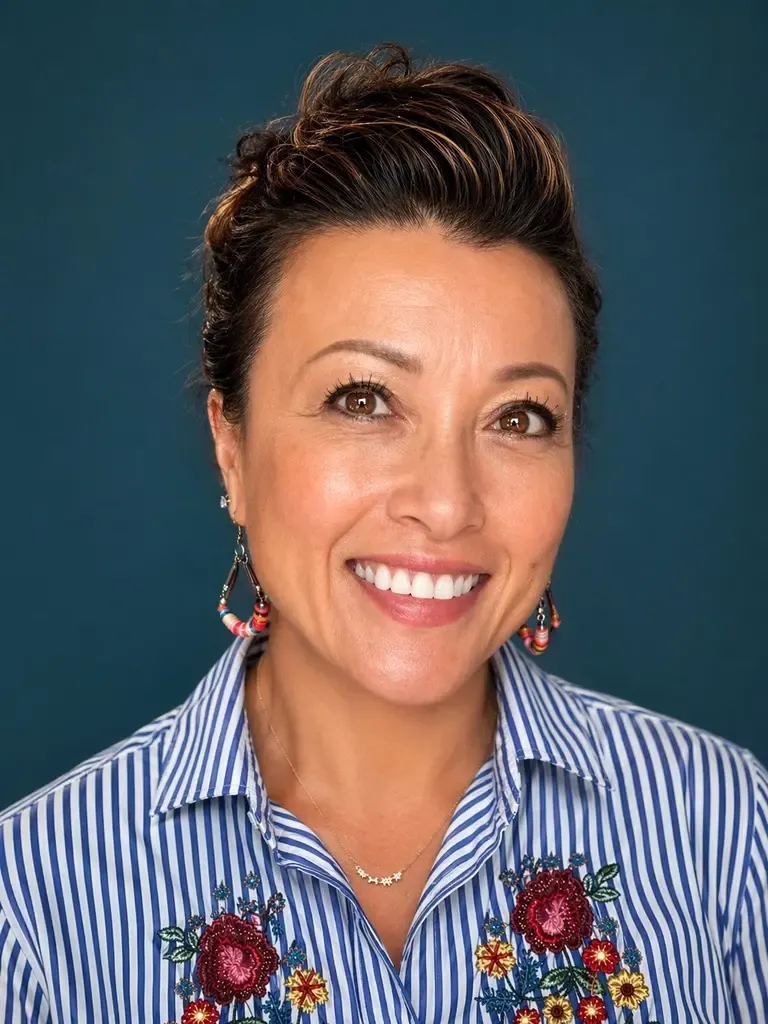
Khanh Vu
Founder, Satori Connect
Gallup Certified Strengths Coach and founder of Satori Connect, with 24 years of experience in talent development, engagement and leadership coaching. Khanh created the Satori Attitude™ and the Behavioural Intelligence Engine™ that underpin every Satori Connect programme.